
Understanding a member referral program is essential for credit unions and community banks. Whether you're a credit union marketer aiming to boost member engagement or a bank looking to enhance your loyalty rewards, getting a handle on this concept is crucial. In this guide, we will unravel the intricacies of member referral programs, focusing on their application within credit unions and community banks and how they tie into broader bank loyalty rewards systems.
What Is a Member Referral Program?
A member referral program is a structured and incentivized approach for existing customers to refer new members to a financial institution. These programs are widely used in credit unions and community banks to leverage the power of word-of-mouth marketing. By incentivizing existing members to bring in new business, these programs can significantly expand membership and enhance brand loyalty.

(https://finitloyalty.com/blog/how-to-launch-a-successful-deposit-acquisition-campaign-with-finit-refer) in front of a credit union]
Key Insight: Member referral programs are not just about growth; they foster a community-centric approach that aligns with credit union values.
The Basics of Member Referral Programs
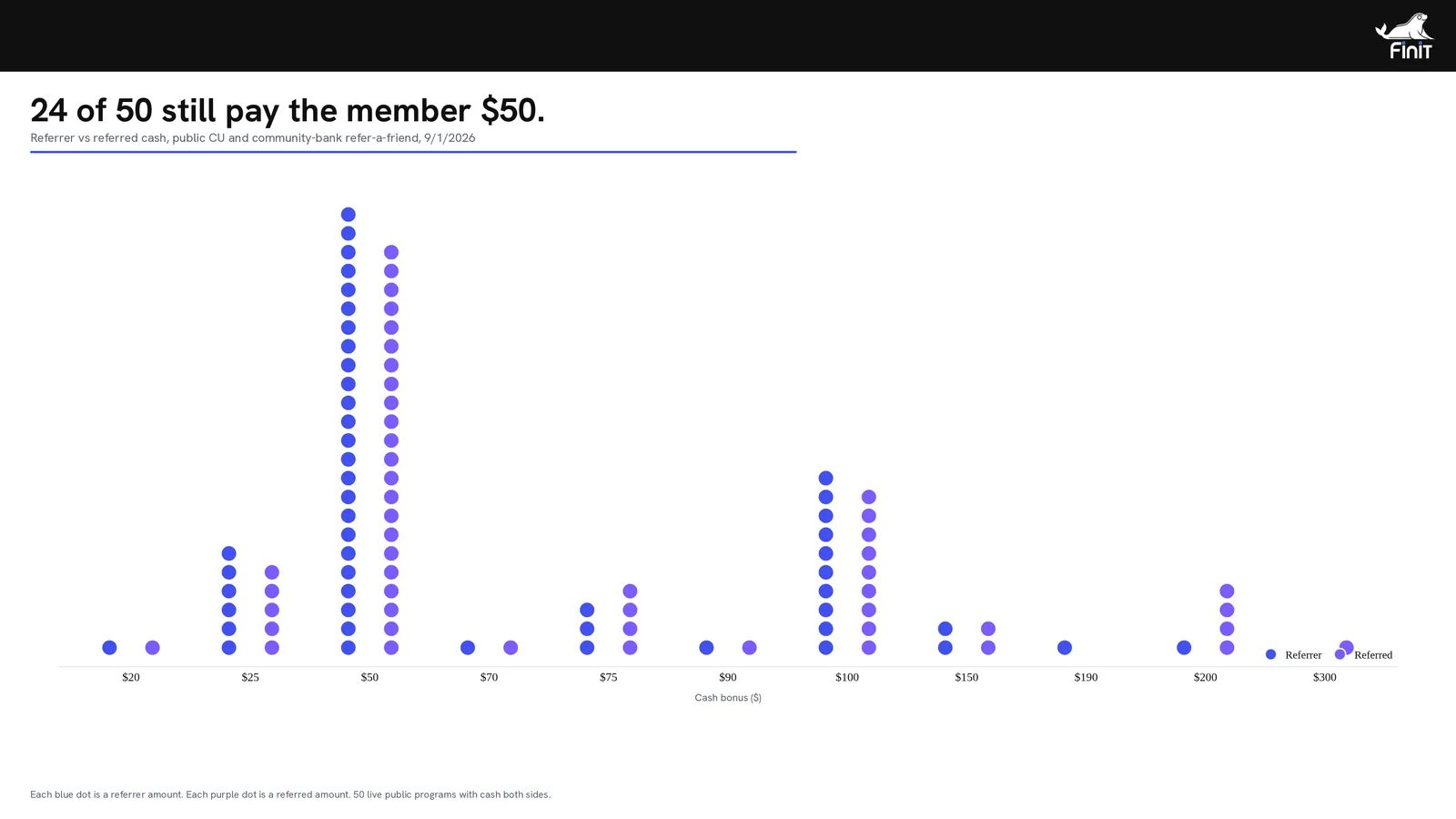
Member referral programs typically offer rewards to both the referrer and the new member. These rewards can be monetary, such as cash bonuses, or non-monetary, such as gift cards or discounts on future services. The underlying principle is simple: happy members spread the word, bringing in new members who are likely to be equally satisfied.
How Member Referral Programs Work
To understand how these programs function, it's essential to break down the process into key components and steps.
Step-by-Step: Implementing a Member Referral Program
Define Your Goals: Establish what you aim to achieve with the referral program—whether it's increasing the member base, enhancing member engagement, or boosting cross-selling opportunities.
Choose the Right Incentives: Select rewards that resonate with your target audience. Cash incentives are popular, but consider creative options that align with your brand values.
Develop a User-Friendly Process: Make it easy for members to refer others. This could involve a simple online form or a mobile app feature.
Promote the Program: Use marketing channels such as email, social media, and in-branch signage to raise awareness about the program.
Track Performance and Adjust: Regularly monitor the program's performance through metrics such as conversion rates and member feedback, and adjust the strategy as needed.

Pro Tip: Keep the referral process simple and transparent to maximize participation and satisfaction among your members.
Key Components of a Member Referral Program
Understanding the key components of a member referral program helps in designing an effective strategy.
Incentives and Rewards: The rewards structure is crucial. It should motivate both the referrer and the new member.
Referral Tracking System: Implement a reliable system to track referrals, ensuring that rewards are distributed accurately and promptly.
Marketing and Communication: Effective communication strategies are essential to promote the program and keep members informed.
Analytics and Reporting: Use data analytics to assess the program's effectiveness and make data-driven adjustments.
Why It Matters: A robust referral tracking system ensures transparency and trust, which are vital for member satisfaction and program success.
Benefits and Use Cases
Member referral programs offer numerous benefits for credit unions and community banks, making them an attractive strategy for growth and member engagement.
Benefits of Member Referral Programs
Cost-Effective Member Acquisition: Referral programs are often more cost-effective than traditional advertising.
Enhanced Member Loyalty: By rewarding members for referrals, institutions can strengthen member loyalty and engagement.
Increased Brand Awareness: As members promote the institution, brand visibility and awareness naturally increase.
Real-World Applications
Consider a credit union that implements a referral program offering a $50 bonus to both the referrer and the new member. This initiative not only attracts new members but also encourages existing members to engage more deeply with the institution.
Common Misconceptions About Member Referral Programs
Despite their advantages, several misconceptions surround member referral programs.
Misconception 1: Only Large Institutions Benefit: It's a common belief that only large banks can successfully implement referral programs. In reality, credit unions and community banks often find these programs more effective due to their community-focused approach.
Misconception 2: High Costs: Many assume that referral programs are expensive. However, when well-executed, they offer a high return on investment compared to traditional marketing.

Expert Tip: Tailor your referral program to fit your institution's size and resources. Even small incentives can yield significant results.
Common Questions About Member Referral Programs
How Do Member Referral Programs Differ from Other Loyalty Programs?
Member referral programs specifically incentivize current members to recruit new ones, whereas loyalty programs generally reward members for ongoing engagement and usage of services.
What Are the Best Incentives for a Member Referral Program?
The best incentives align with member preferences and institutional goals. Cash bonuses, discounts, and exclusive access to services are popular choices.
How Can I Measure the Success of a Referral Program?
Success can be measured through metrics such as the number of new members acquired, referral conversion rates, and overall member satisfaction.
Are Referral Programs Suitable for All Types of Financial Institutions?
While referral programs can benefit most institutions, their design should be tailored to the specific needs and resources of the institution.
Conclusion
Member referral programs are a powerful tool for credit unions and community banks to expand their reach and enhance member engagement. By understanding the mechanics and benefits of these programs, institutions can leverage them to achieve strategic growth. Ready to get started? Get Started with FinIT Refer to learn more.
Key Takeaway: With the right strategy, member referral programs can transform your institution's growth trajectory and member engagement levels.