

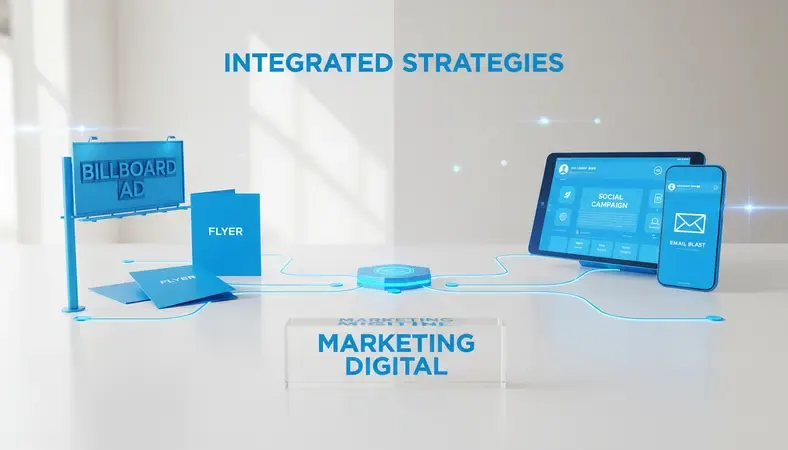
Marketing has evolved dramatically from traditional billboards and print ads to sophisticated digital campaigns that reach customers across multiple online channels. While traditional marketing still has its place, digital marketing now dominates how businesses connect with their audiences.
Understanding the difference between marketing and digital marketing is crucial for credit union marketers and banks looking to grow their member base and improve engagement. This guide breaks down both approaches, explains how they work together, and shows you practical strategies for implementing effective digital marketing campaigns that drive real results.
What Is Marketing and Digital Marketing?
Marketing is the process of promoting and selling products or services to customers. It encompasses all activities designed to attract, engage, and retain customers through various communication channels. Traditional marketing includes methods like print advertising, radio, television, direct mail, and in-person events.
Digital marketing is a subset of marketing that uses digital channels and technologies to reach customers online. This includes websites, search engines, social media platforms, email, mobile apps, and other digital touchpoints where customers spend their time.
Key Insight: Digital marketing is not replacing traditional marketing—it is expanding the toolkit available to reach and engage customers more effectively.
The fundamental difference lies in the channels used and the level of measurability. Traditional marketing often relies on broad reach with limited tracking capabilities, while digital marketing offers precise targeting and detailed analytics on every interaction.
For financial institutions, this distinction matters because members increasingly expect seamless digital experiences. A credit union that only relies on traditional marketing methods may struggle to attract younger members who primarily discover services online.
Types of Digital Marketing Channels
Digital marketing encompasses multiple specialized channels, each serving different purposes in the customer journey. Understanding these channels helps you build comprehensive campaigns that reach members at the right time with the right message.
Search Engine Marketing
Search Engine Optimization (SEO) focuses on improving your website's visibility in organic search results. When potential members search for "credit unions near me" or "best auto loan rates," SEO helps your institution appear prominently in results.
Pay-Per-Click (PPC) Advertising places your ads at the top of search results for specific keywords. You only pay when someone clicks your ad, making it a cost-effective way to drive targeted traffic to loan applications or account opening pages.
Social Media Marketing
Social media platforms like Facebook, Instagram, LinkedIn, and Twitter allow financial institutions to build community, share educational content, and engage directly with members. Each platform serves different demographics and content types.
Content Marketing
Content marketers create valuable, educational content that addresses member questions and concerns. This includes blog posts, videos, infographics, and guides that establish your institution as a trusted financial resource.
Email Marketing
Email remains one of the highest-ROI digital marketing channels. It allows personalized communication about new products, rate changes, financial education, and Member Incentive Program opportunities.
Mobile Marketing
With most banking happening on mobile devices, mobile marketing includes app-based messaging, SMS campaigns, and mobile-optimized websites that provide seamless experiences across devices.
Marketing vs Digital Marketing: Key Differences
Understanding the distinctions between traditional marketing and digital marketing helps you allocate resources effectively and choose the right mix for your institution's goals.
Comparison of Marketing Approaches
| Aspect | Traditional Marketing | Digital Marketing |
|---|---|---|
| Reach | Local or broad geographic areas | Global reach with precise targeting |
| Cost | Higher upfront costs, harder to scale | Lower entry costs, highly scalable |
| Measurement | Limited tracking and attribution | Detailed analytics and real-time data |
| Interaction | One-way communication | Two-way engagement and conversation |
| Personalization | Limited customization options | Highly personalized content and offers |
| Speed | Longer campaign development cycles | Rapid deployment and optimization |
Traditional marketing excels at building broad brand awareness and reaching audiences who may not be actively online. A well-placed billboard near a busy intersection can generate significant local recognition for your credit union.
Digital marketing shines in its ability to target specific audiences with relevant messages. You can show auto loan ads specifically to people researching car purchases, or promote savings accounts to individuals who have visited competitor websites.

The most effective approach combines both methods strategically. A Credit Union Referral Program might use traditional methods like branch signage and direct mail, while leveraging digital channels for member enrollment and tracking.
Benefits of Digital Marketing for Businesses
Digital marketing offers measurable advantages that make it essential for modern financial institutions. These benefits directly impact your ability to attract new members, retain existing ones, and grow your institution efficiently.
Cost-Effectiveness and ROI
Digital marketing typically delivers higher return on investment compared to traditional methods. Email marketing, for example, generates an average ROI of $42 for every dollar spent. PPC advertising allows you to set exact budgets and only pay for actual clicks or conversions.
Credit unions can start with modest budgets and scale successful campaigns gradually. A $500 monthly Google Ads budget can generate dozens of qualified loan applications when properly targeted and optimized.
Precise Targeting and Personalization
Digital platforms collect detailed data about user behavior, demographics, and interests. This allows you to show mortgage ads specifically to first-time homebuyers in your service area, or promote business banking services to local entrepreneurs.
Personalization extends beyond targeting. You can customize email content based on account types, send birthday offers, or recommend relevant financial products based on transaction history.
Real-Time Analytics and Optimization
Digital marketing provides immediate feedback on campaign performance. You can see which ads generate the most loan applications, which email subject lines get opened most frequently, and which social media posts drive website traffic.
This data enables rapid optimization. If a campaign is not performing well, you can adjust targeting, modify ad copy, or reallocate budget to better-performing channels within hours rather than weeks.
Enhanced Customer Engagement
Digital channels enable two-way communication that builds stronger relationships. Members can comment on social media posts, reply to emails, or engage with interactive content like financial calculators or budgeting tools.
This engagement creates opportunities for education and trust-building that traditional marketing cannot match. A helpful response to a member's question on Facebook can influence their decision to apply for additional services.
Digital Marketing Strategies and Best Practices
Successful digital marketing requires strategic planning and consistent execution. These proven strategies help financial institutions maximize their digital marketing effectiveness while maintaining compliance and building trust.
Develop a Content-First Strategy
Create valuable content that addresses member questions and concerns before promoting products. Educational blog posts about budgeting, home buying, or retirement planning establish your institution as a trusted advisor.
Content marketing works particularly well for financial institutions because financial decisions often require research and consideration. Members who find helpful information on your website are more likely to consider your institution when they need services.
Implement Multi-Channel Campaigns
Coordinate messaging across multiple digital channels for maximum impact. A new member promotion might include:
- Email campaigns to existing members for referrals
- Social media posts highlighting benefits and testimonials
- PPC ads targeting people searching for new banking options
- Website banners promoting the offer to visitors
This coordinated approach ensures consistent messaging and multiple touchpoints with potential members.
Focus on Local SEO
Financial institutions serve specific geographic areas, making local SEO crucial. Optimize your website for searches like "credit union in [city name]" or "best mortgage rates near me."
Claim and optimize your Google Business Profile, encourage member reviews, and ensure your name, address, and phone number are consistent across all online directories.
Leverage Marketing Automation
Banking Automation Tools can streamline repetitive tasks and ensure timely communication. Set up automated email sequences for new members, loan application follow-ups, or financial education series.
Automation ensures consistent communication without requiring constant manual effort, allowing your team to focus on strategy and relationship building.

Measure and Optimize Continuously
Establish key performance indicators (KPIs) for each digital marketing channel. Track metrics like:
- Website traffic and conversion rates
- Email open and click-through rates
- Social media engagement and follower growth
- PPC cost per click and conversion rates
- Content performance and lead generation
Regular analysis of these metrics reveals which strategies work best for your institution and where improvements are needed.
How Digital Marketing Helps Financial Institutions
Financial institutions face unique challenges and opportunities in digital marketing. Understanding how digital strategies specifically benefit credit unions and community banks helps you prioritize investments and measure success effectively.
Building Trust in Digital Channels
Trust is paramount in financial services, and digital marketing can actually enhance trustworthiness when executed properly. Transparent communication, educational content, and responsive customer service across digital channels build confidence in your institution.
Member testimonials shared on social media, detailed explanations of loan processes on your website, and prompt responses to online inquiries all contribute to trust-building that traditional marketing cannot achieve as effectively.
Attracting Younger Demographics
Millennials and Gen Z members primarily discover financial services through digital channels. A strong digital presence is essential for attracting these demographics who expect seamless online experiences.
Social media marketing, mobile-optimized websites, and digital account opening processes appeal to younger members while still serving existing member preferences.
Supporting Member Retention Initiatives
Digital marketing enhances Credit Union Member Retention through personalized communication and valuable content delivery. Email newsletters with financial tips, social media engagement, and targeted offers based on account activity keep your institution top-of-mind.
Digital channels also enable proactive communication about new services, rate changes, or community involvement that strengthens member relationships.
Measuring Marketing ROI Accurately
Traditional marketing often struggles with attribution—determining which activities generate actual results. Digital marketing provides clear tracking from initial contact through account opening and ongoing relationship development.
This measurement capability allows you to invest more heavily in strategies that work and eliminate or improve underperforming tactics.
Getting Started with Digital Marketing
Beginning your digital marketing journey requires strategic planning and gradual implementation. This step-by-step approach helps financial institutions build effective digital marketing capabilities without overwhelming staff or budgets.
Assess Your Current Digital Presence
Start by evaluating your existing digital footprint. Review your website performance, social media accounts, email marketing efforts, and online reputation. Identify gaps and opportunities for improvement.
Use free tools like Google Analytics to understand current website traffic patterns, Google Business Profile insights for local search performance, and social media analytics to gauge engagement levels.
Set Clear Goals and Objectives
Define specific, measurable goals for your digital marketing efforts. Examples include:
- Increase website traffic by 25% within six months
- Generate 50 qualified loan applications monthly through digital channels
- Grow email subscriber list by 200 members quarterly
- Achieve 15% engagement rate on social media posts
Clear goals guide strategy development and provide benchmarks for measuring success.
Choose Your Priority Channels
Rather than attempting to master all digital marketing channels simultaneously, focus on 2-3 channels that align with your goals and audience preferences. Most financial institutions benefit from starting with:
- Website optimization and basic SEO
- Email marketing to existing members
- Google business profile and local search optimization
Once these foundational elements perform well, expand to additional channels like social media marketing or PPC advertising.
Create a Content Calendar
Consistent content creation requires planning and organization. Develop a monthly content calendar that includes:
- Educational blog posts addressing common financial questions
- Email newsletters with member updates and financial tips
- Social media posts highlighting community involvement and member success stories
- Seasonal content around tax season, back-to-school, or holiday spending
Implement Tracking and Analytics
Set up proper tracking from the beginning to measure your progress accurately. Install Google Analytics on your website, configure conversion tracking for important actions like loan applications or account openings, and establish regular reporting schedules.
This data foundation enables informed decision-making and continuous optimization of your digital marketing efforts.
Common Questions About Marketing and Digital Marketing
What is the main difference between marketing and digital marketing?
Marketing is the broader discipline of promoting products and services through any channel, while digital marketing specifically uses online channels and technologies. Traditional marketing includes print ads, radio, television, and direct mail, whereas digital marketing encompasses websites, social media, email, search engines, and mobile apps.
The key distinction lies in measurability and targeting capabilities. Digital marketing provides detailed analytics and allows precise audience targeting, while traditional marketing often relies on broader reach with limited tracking.
How much should financial institutions spend on digital marketing?
Most successful financial institutions allocate 3-7% of their total revenue to marketing, with 60-80% of that budget dedicated to digital channels. However, the exact percentage depends on your institution's size, growth goals, and competitive environment.
Start with a modest digital marketing budget—perhaps $1,000-$3,000 monthly—and scale based on results. Focus on channels that generate measurable returns before expanding to additional platforms.
Which digital marketing channels work best for credit unions and banks?
Email marketing consistently delivers the highest ROI for financial institutions, followed by search engine optimization and local search marketing. Social media marketing works well for community building and member engagement, while PPC advertising effectively drives loan applications and new account openings.
The most effective approach combines multiple channels strategically rather than relying on any single platform.
How long does it take to see results from digital marketing?
Timeline varies by channel and strategy. PPC advertising can generate immediate traffic and leads, while SEO typically requires 3-6 months to show significant results. Email marketing and social media engagement build gradually over time.
Most financial institutions see meaningful improvements in website traffic and lead generation within 60-90 days of implementing comprehensive digital marketing strategies.
Can small credit unions compete with large banks in digital marketing?
Absolutely. Digital marketing levels the playing field by allowing precise targeting and cost-effective reach. Small credit unions often outperform large banks in digital marketing because they can provide more personalized service and respond more quickly to member needs.
Focus on local SEO, community engagement, and personalized communication to compete effectively against larger institutions with bigger budgets.
The Bottom Line
Digital marketing is no longer optional for financial institutions—it is essential for attracting new members, retaining existing ones, and staying competitive in today's market. The combination of measurable results, cost-effective targeting, and enhanced member engagement makes digital marketing a powerful tool for credit unions and community banks.
Transform your member engagement with FinIT Refer—automate personalized offers and rewards based on real account activity, turning everyday banking into growth opportunities. Ready to get started? Visit FinIT Refer to learn more.


